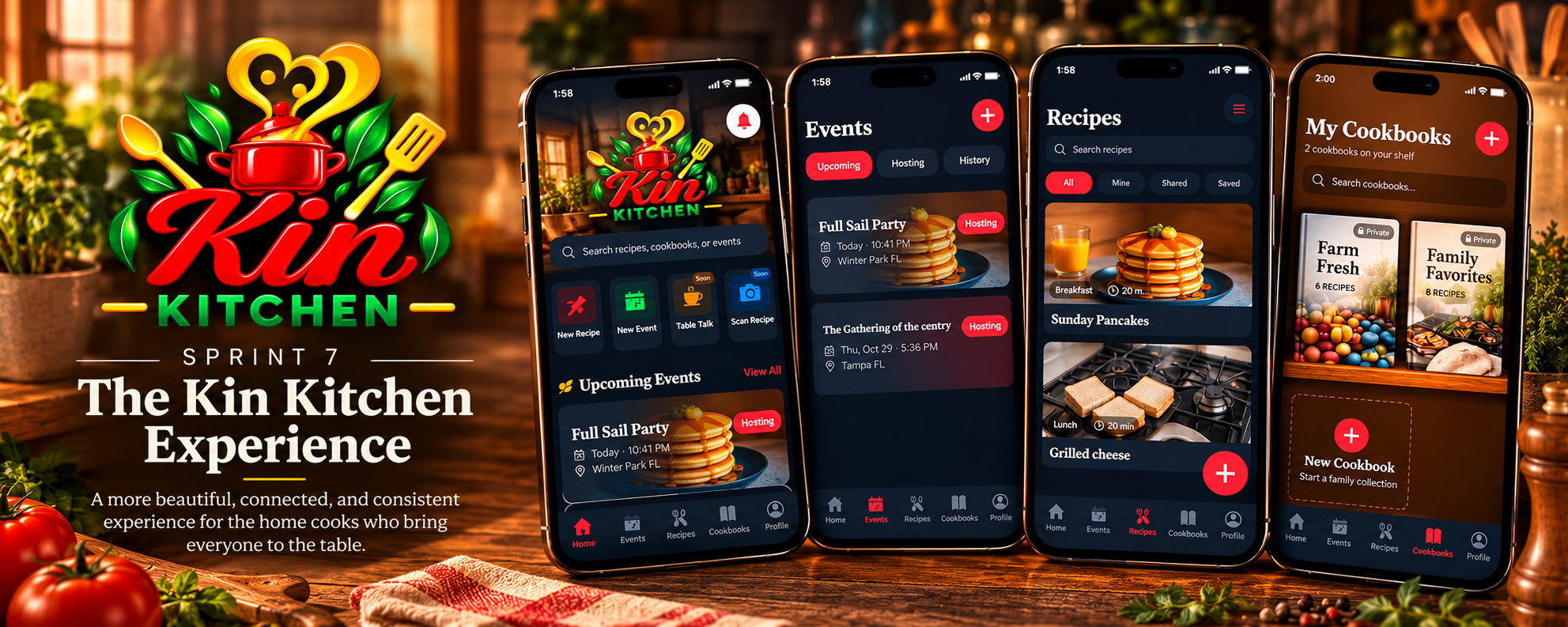
From Functionality to Experience
Over the previous six sprints, Kin Kitchen has grown from an idea into a functional application centered around recipes, cookbooks, and bringing people together through food.
Sprint 7 marks an important shift in development.
Until now, much of the focus has been on making features work. This sprint is about making those features feel like they belong together.
Kin Kitchen isn’t supposed to feel like a database of recipes. It’s supposed to feel like walking into a family kitchen, opening a cookbook that’s been passed down for generations, and finding something worth sharing.
That philosophy is driving the design work throughout Sprint 7.
Rethinking the Home Experience
The Home screen is the first impression users have when opening Kin Kitchen, and it needs to communicate what the application is about immediately.
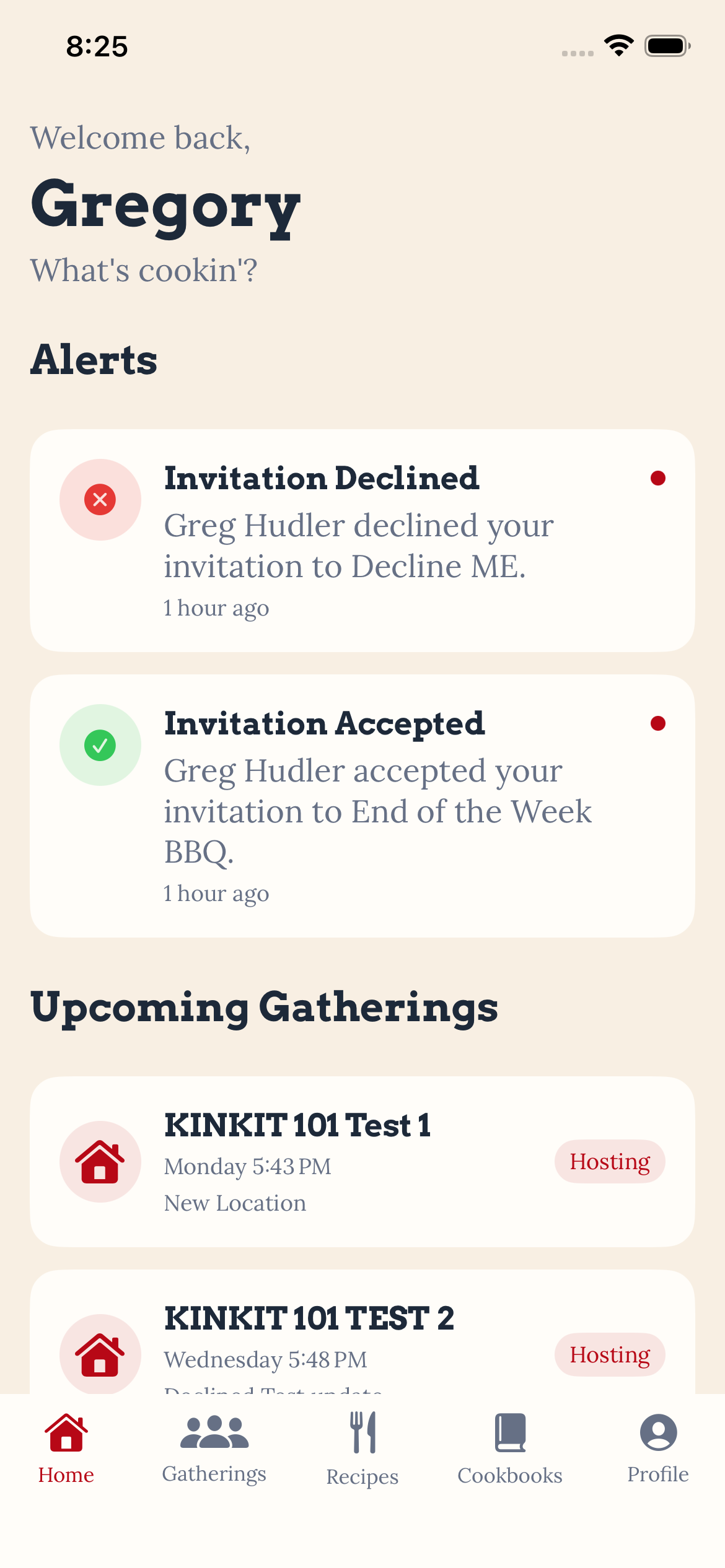
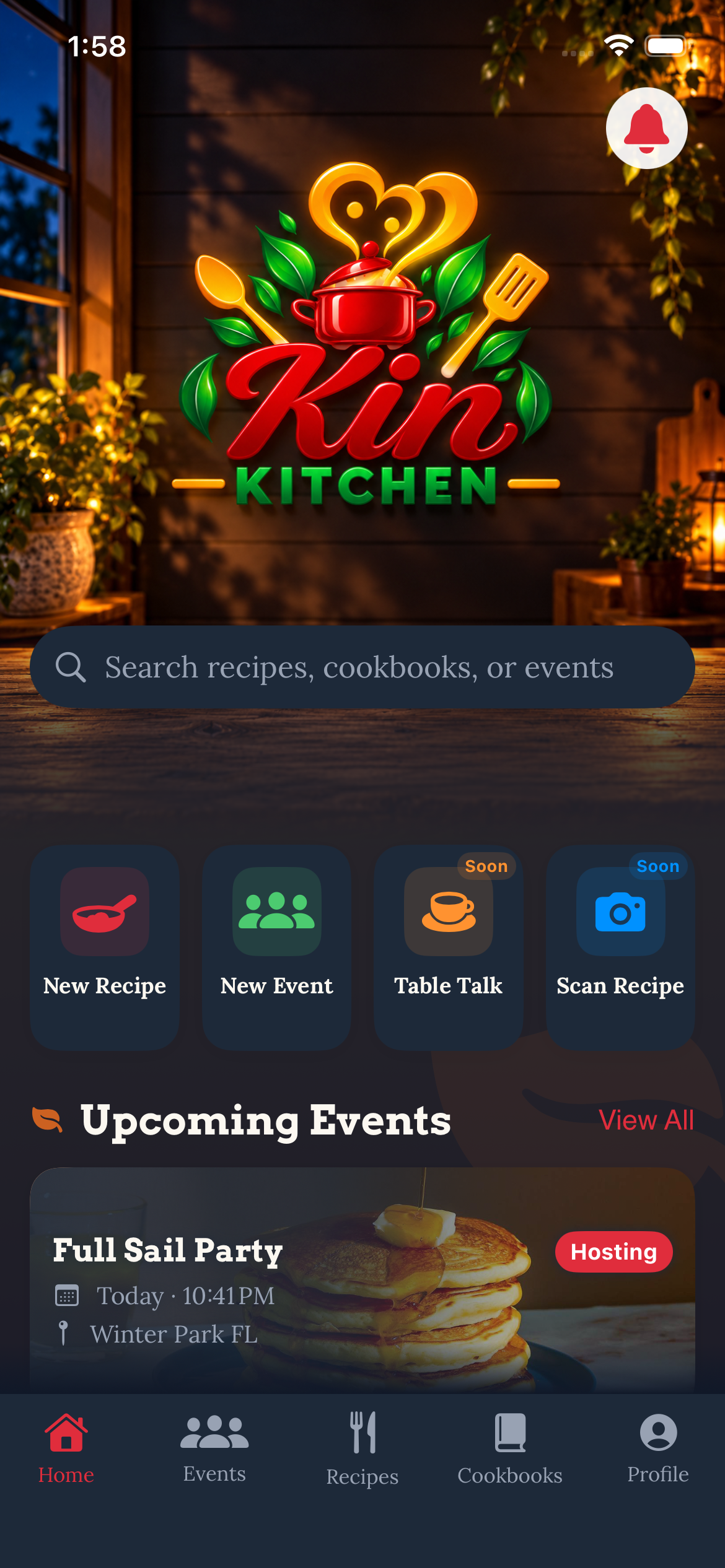
Rather than relying entirely on conventional dashboard elements, the new design direction introduces warmer imagery, more intentional spacing, and a visual identity inspired by real kitchens.
We’re exploring how photography, typography, and subtle environmental details can create a welcoming experience without sacrificing usability.
The challenge is finding the right balance. A beautiful background doesn’t accomplish much if users struggle to find their recipes, cookbooks, or upcoming gatherings.
The goal is to create a Home screen that feels inviting while keeping the application’s primary features easy to access.
Making Digital Cookbooks Feel Like Real Books
One of the most interesting parts of Sprint 7 has been rethinking how users interact with their cookbooks.
Traditional recipe applications generally display collections as lists or grids of cards. While functional, that approach doesn’t capture the experience of owning a cookbook.
Kin Kitchen is taking a different direction.
The cookbook library is being designed around the idea of a personal bookshelf, with individual cookbooks represented as physical books rather than generic content cards.
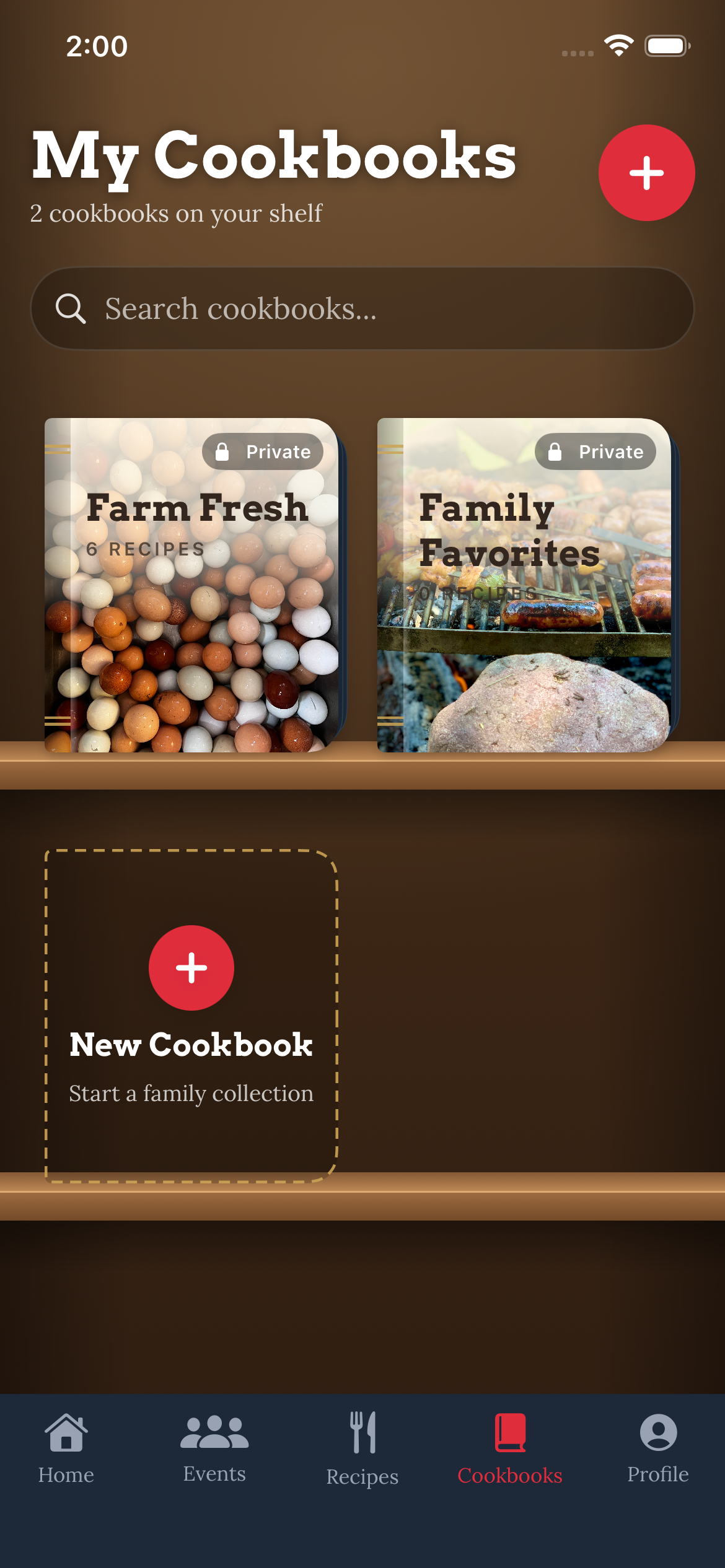
Cover artwork, book dimensions, shadows, and shelving can all help establish that sense of ownership.
Inside each cookbook, the experience moves closer to reading an actual book.
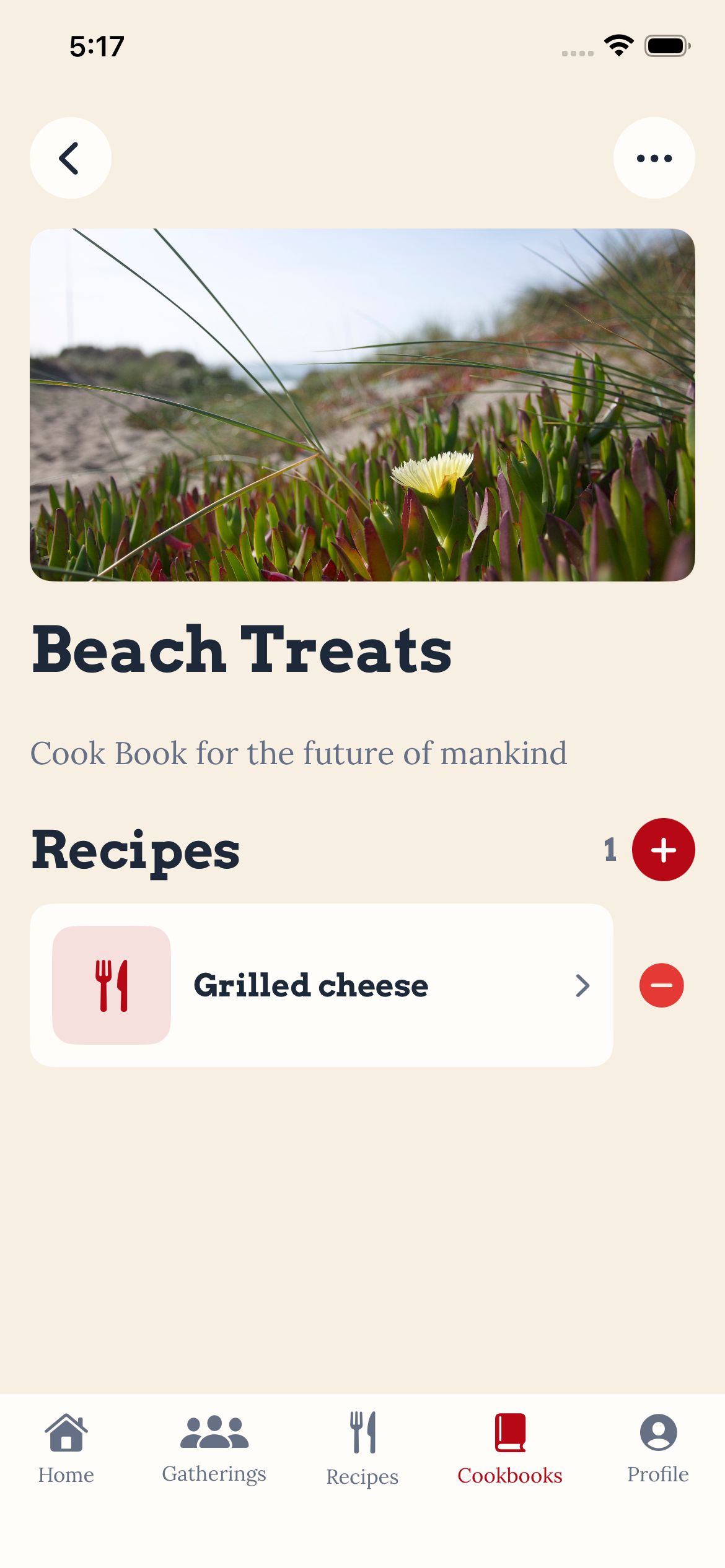
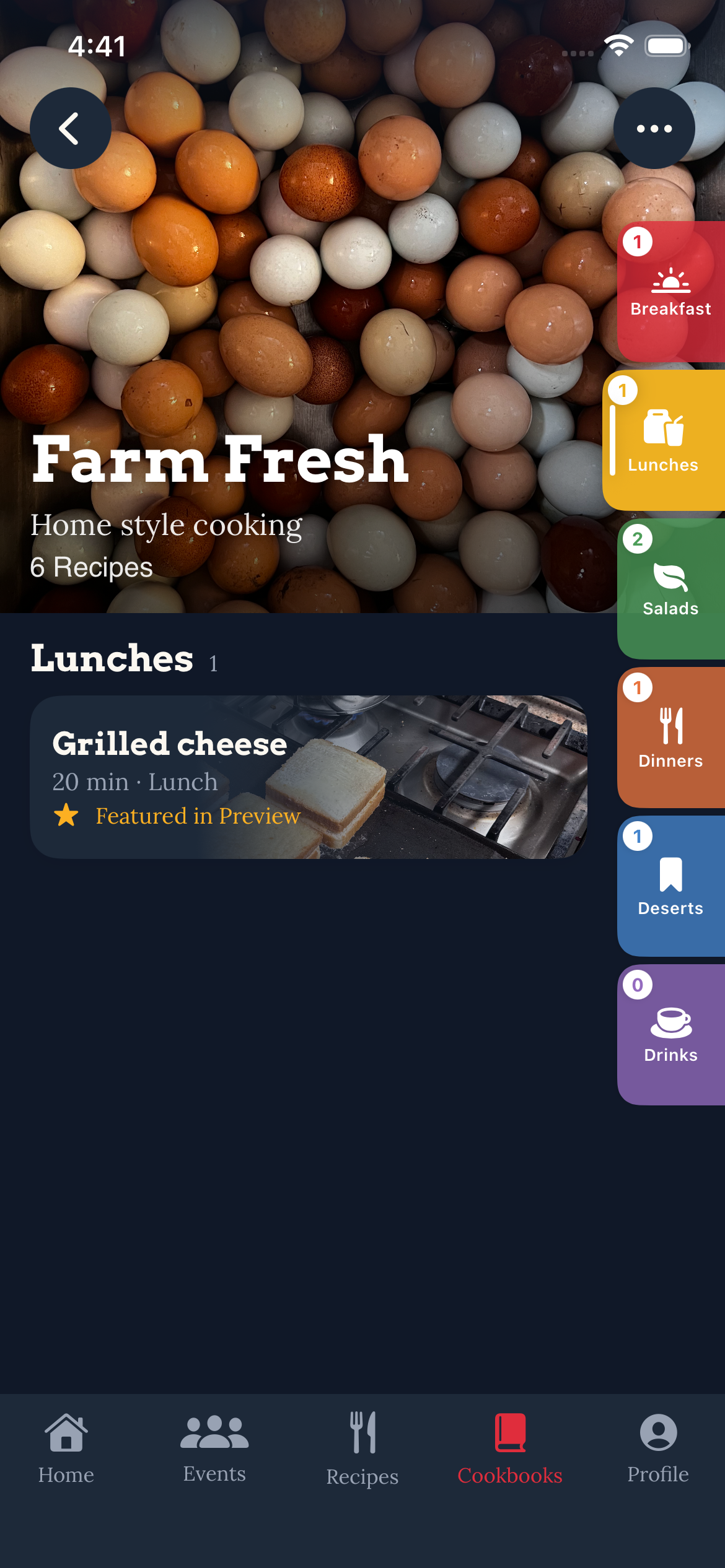
The interaction model we’re working toward includes:
- Horizontal swiping to turn between cookbook pages.
- Vertical scrolling to read longer recipes.
- Book-inspired navigation elements for moving between sections.
- Accessible controls for users who prefer buttons over gestures.
- Consistent presentation of recipes, imagery, and cookbook information.
This creates an interesting technical challenge in SwiftUI: making a digital interface feel physical without introducing unnecessary complexity.
The bookshelf should still be easy to navigate, even when someone has dozens of cookbooks.
Ultimately, the design should reinforce the idea that these aren’t just collections of ingredients. They’re personal books containing recipes, traditions, and memories.
Building a Consistent Visual Language
A redesign becomes much more complicated when individual screens begin developing their own visual rules.
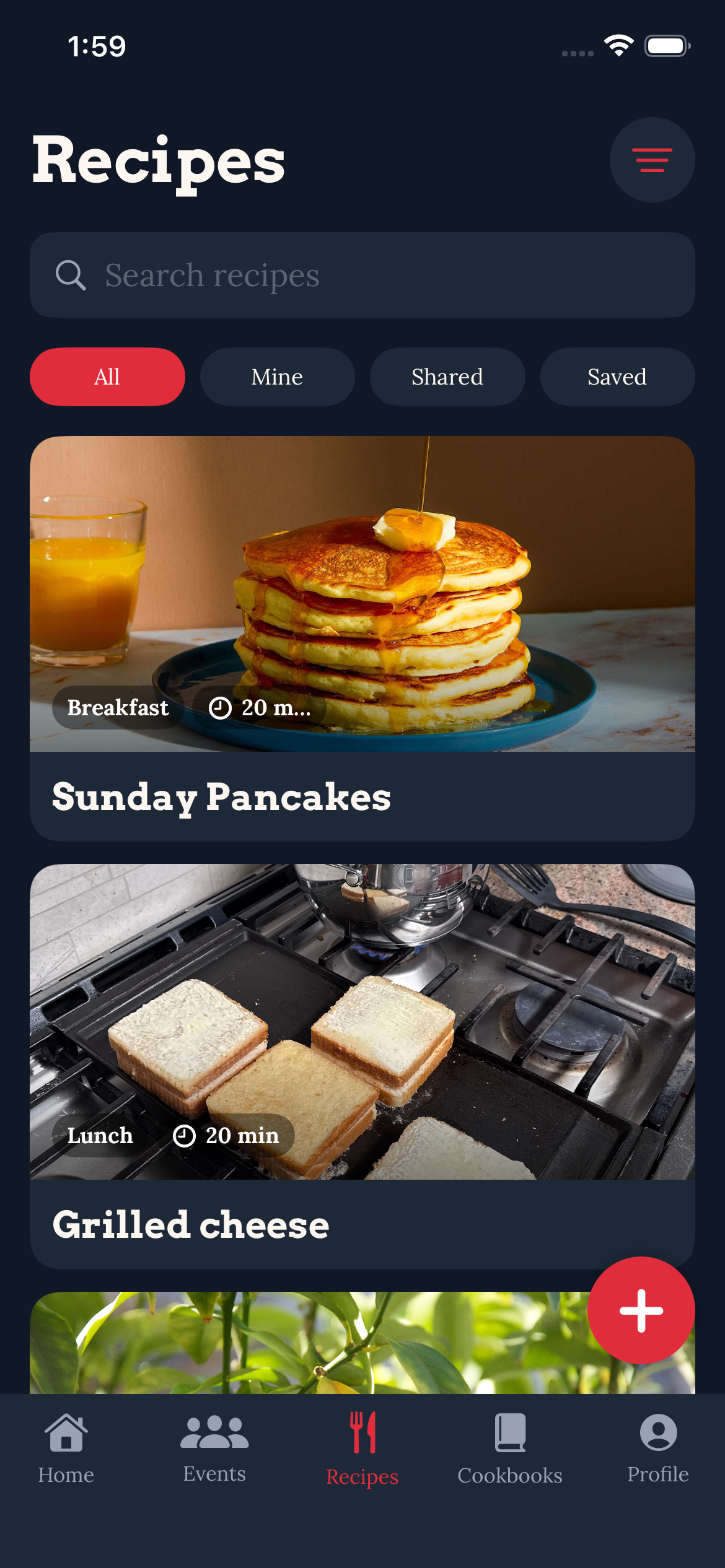
Sprint 7 also focuses on ensuring the Home and Cookbook experiences share a consistent design language.
That includes typography, spacing, colors, reusable components, navigation, and visual behavior across light and dark appearances.
The goal isn’t simply to make Kin Kitchen look polished in screenshots. It’s to create an experience that remains comfortable and usable across devices and user preferences.
The Challenge: Balancing Creativity and Usability
One lesson that continues to come up throughout development is that visual complexity and functionality don’t always work well together.
It’s easy to imagine elaborate page-turning animations, realistic bookshelves, and decorative kitchen environments.
The difficult part is deciding which details genuinely improve the experience.
A cookbook should look like a book, but opening it shouldn’t be slower than opening a conventional screen.
A bookshelf should feel authentic, but users shouldn’t have to search through decorations to find their recipes.
And a warm, photographic background should reinforce the Kin Kitchen identity without compromising readability.
Those tradeoffs are becoming an increasingly important part of the development process.
Looking Ahead — Sprint 8: Social Expansion
As the visual experience develops, the next major area of Kin Kitchen is already taking shape.
Sprint 8, Social Expansion, will introduce the foundation for Friends and Table Talk.
The planned features include friend discovery and requests, member profiles, a cooking-focused social feed, photo posts, comments, likes, and recipe sharing.
We’re also planning support for sharing recipes outside Kin Kitchen through text messages and other applications.
This is a natural extension of the application’s original purpose.
Recipes have always been social. They’re passed between family members, exchanged with friends, and shared during gatherings.
Table Talk is intended to bring those conversations into Kin Kitchen.
Final Thoughts
Sprint 7 represents an evolution in how I’m approaching Kin Kitchen. It also marks the end of the production for Full Sail University’s Capstone project. This culmination of everything that I have learned while here will be represented one more time on this blog as I finish up the final weeks blog post. I think back to the amount of time that I had planned before Full Sail to build a application like this and didn’t know where to start. Now I have been blessed with the opposite problem. I dont know where to stop. What more can I put in this app to make it easier to use and useful to the every day cook. Building functionality is one challenge. Building an experience that people genuinely enjoy using is another.
As we move forward we are looking into the viability of making this application available to the public and we are figuring out how do we monetize this with the intent to not make it more about making money then the original intent of growing as a chef and family, retaining the flavors of your culture. It led me to the cheesy but important tag line that I want to keep in mind with the future development of Kin Kitchen.
“It’s not business; It’s personal.”
While I want this to be the platform that many home chefs can make their name and start their culinary careers, we always have to remember that this is personal first, and as long as your passion for food and family shines bright the business portion will fall into place.
Follow the development journey as Kin Kitchen continues growing from a recipe application into a place for preserving traditions, connecting people, and bringing everyone back to the table.
>_ discussion
Comments
Questions, thoughts, or a better way to solve the problem? Join the discussion.